

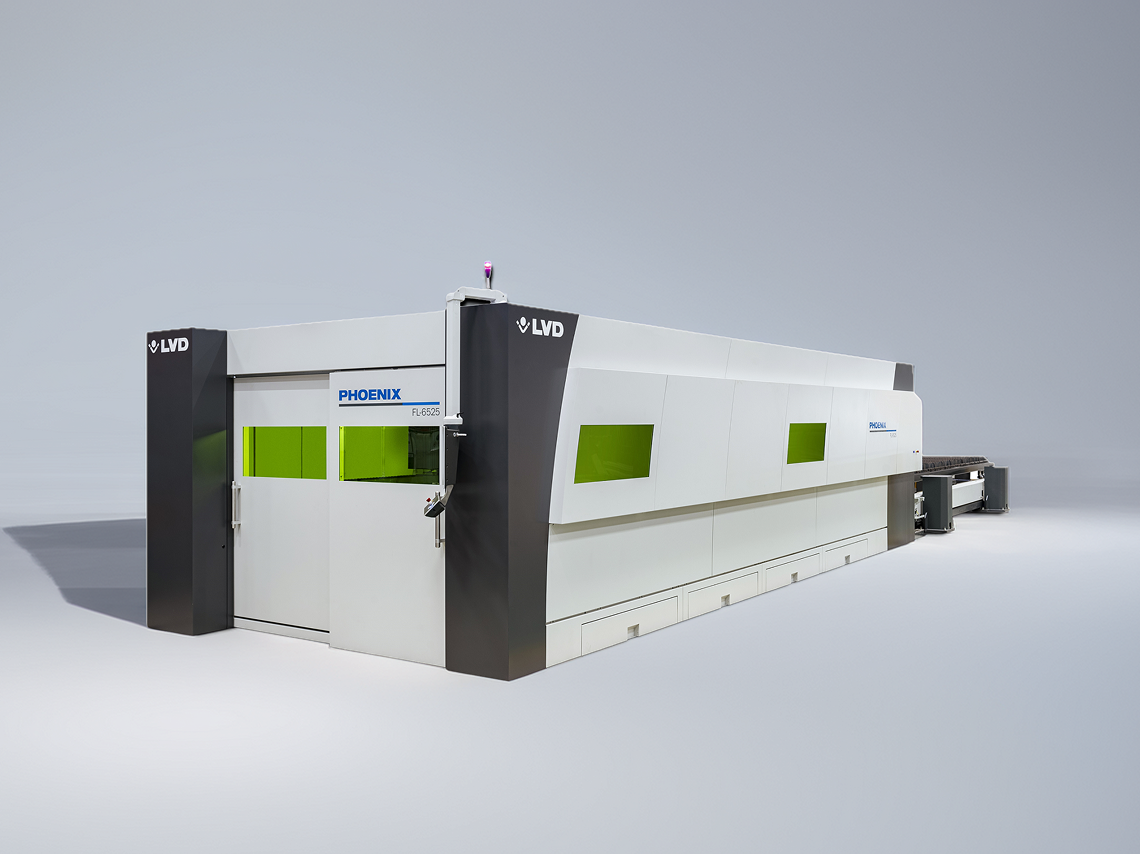
On the factory floor, displays operate inside machines, production lines and control systems where they face dust, moisture, vibration, unstable power and continuous use. In these conditions, failure is not gradual. It is operational. A display that stops responding or becomes unreadable directly impacts uptime, safety and process control. For system integrators and engineers, the question is never which display looks best on paper, but which one will continue to perform predictably once it is deployed and running.
Where Standard Displays Fall Short
Displays designed for office or commercial use fail in industrial environments for a few predictable reasons, and they tend to fail in the same ways regardless of brand or price point.
The display housings deform under vibration and mounting stress over time. Insufficient sealing allows dust and moisture to reach internal components. Consumer-grade power circuitry cannot handle the voltage fluctuations and electrical interference common in industrial settings, leading to resets, erratic behavior or premature failure. Thermal buildup goes unmanaged, shortening lifespan and causing inconsistent performance. And perhaps most disruptively for long-running installations: product lifecycles are short, forcing engineers into redesigns and revalidation cycles that were never budgeted for.
Challenges like these are common and form a standard failure pattern when non-industrial hardware is used in production environments.
What Defines an Industrial Monitor or HMI Touchscreen
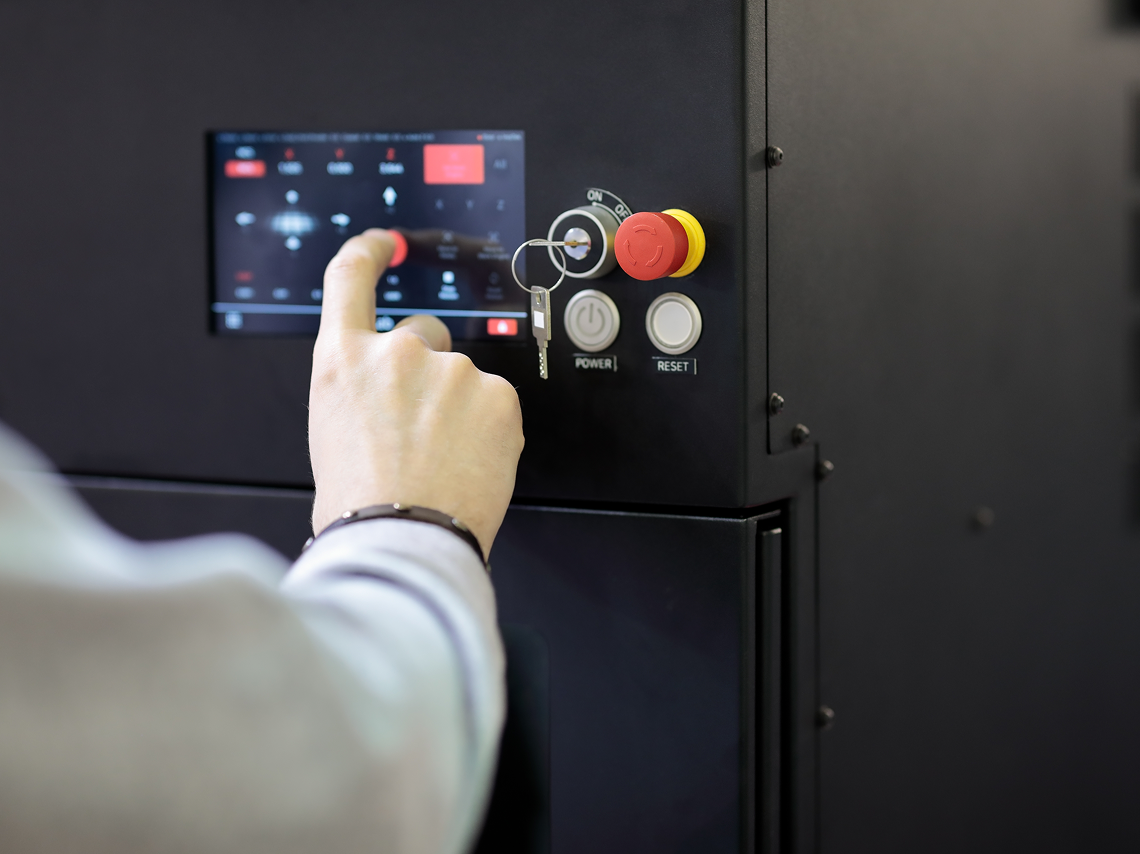
An industrial display earns that designation through how it performs under stress and how cleanly it integrates into a system. Several design characteristics separate purpose-built industrial hardware from everything else.
Mechanical integrity starts with the enclosure. A rigid metal housing is essential for maintaining structural stability over years of continuous use in environments where vibration and occasional impact are routine.
Ingress protection matters wherever exposure to dust, liquids or cleaning processes is unavoidable. Displays designed to support IP65 or IP66 integration are suited for the majority of production floor environments, where a standard enclosure would simply not survive.
Electrical stability is often overlooked until something fails. Industrial systems rarely deliver clean, stable power, particularly in 12V and 24V architectures. Displays must be designed to absorb voltage variation and electrical noise without introducing unpredictable behavior into the system.
Thermal management determines longevity. Continuous operation generates heat, and if that heat is not handled correctly through proper component selection and enclosure design, performance degrades and service life shortens well before it should.
Lifecycle availability is the factor that matters most to engineers planning long-term deployments. A display platform that disappears from the market two years after validation forces unnecessary redesign work. Industrial hardware should remain available and consistent across the lifespan of the systems it supports.
Designed for Seamless Integration
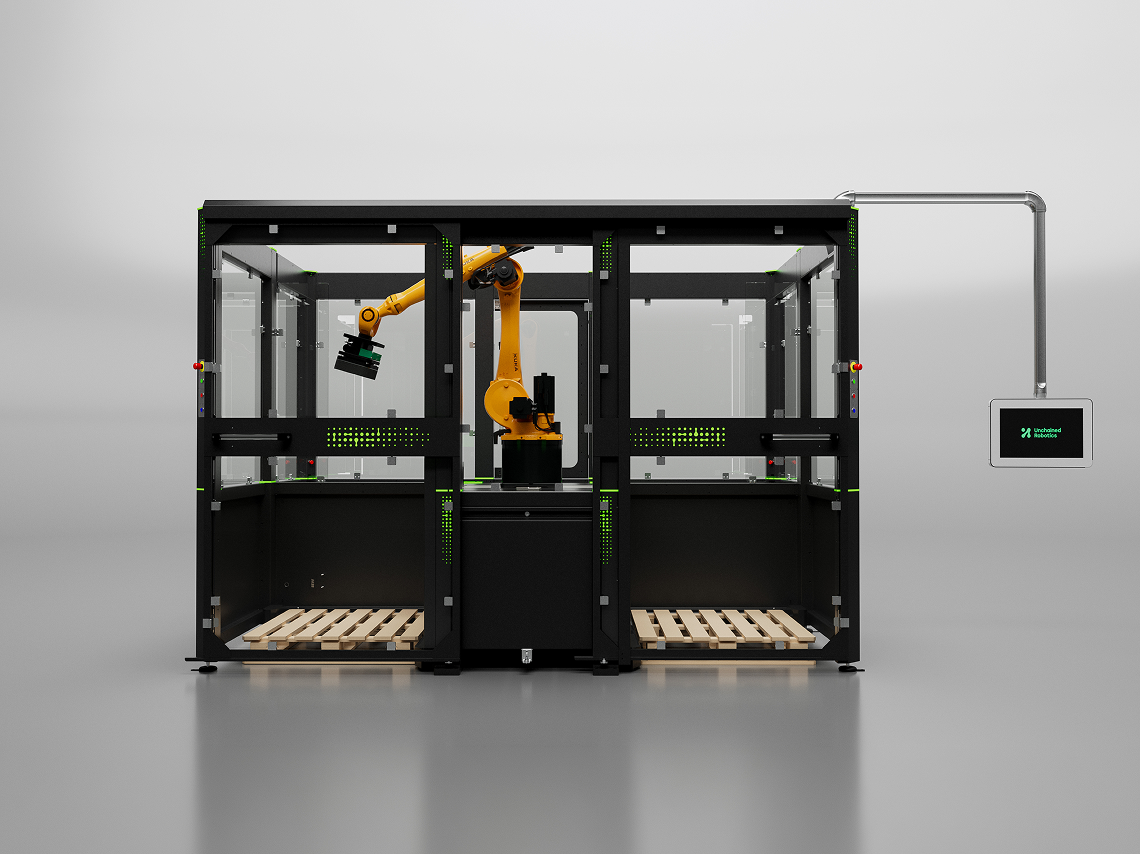
Industrial monitors and HMI touchscreens are components within a larger system, rather than standalone products. They need to integrate mechanically into panels and enclosures, electrically into control architectures and functionally into software environments. That demands flexibility in mounting options, connectivity and configuration, without adding engineering complexity at every step.
Consistency across sizes and models is just as important. Once a display is validated in one machine or installation, it should be deployable across an entire product line or facility without behavioral differences that require separate testing and sign-off.
Typical Industrial Display Applications
Industrial displays are used wherever reliable visualization and human interaction are required as part of the operational workflow, not as an accessory to it. Common deployment scenarios include HMI interfaces for machine control, operator panels and control cabinets, production line monitoring, CCTV and process visualization, time registration and access control systems, and service and diagnostic interfaces.
In each of these cases, the display is load-bearing infrastructure, and downtime quickly becomes more than a minor inconvenience.
A Platform Approach to Industrial Displays
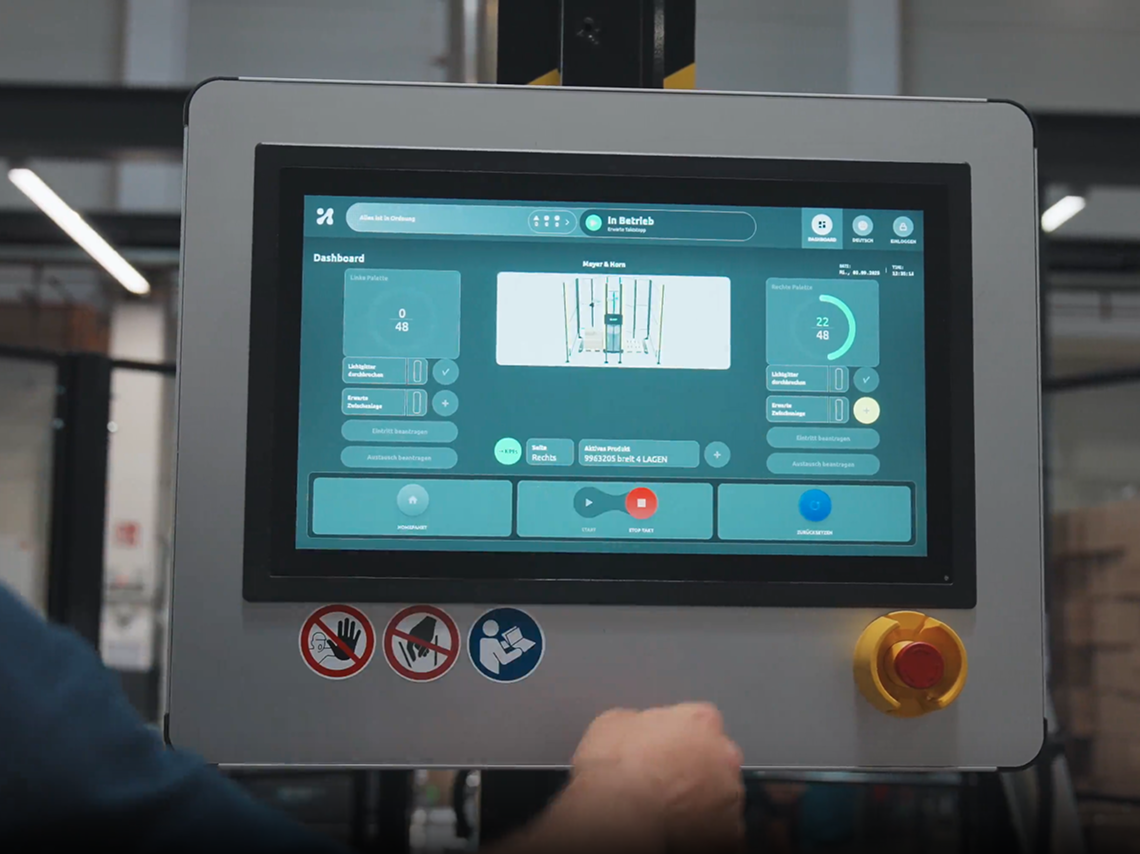
For system integrators, the goal is rarely to select a single display for a single project. The real objective is to establish a hardware platform that can be standardized across multiple machines, installations and customer deployments over time.
Beetronics industrial monitors and HMI touchscreens are built around a consistent mechanical and electronic architecture precisely for this reason. Standardization reduces engineering effort, simplifies procurement and supports long-term deployment strategies without the disruption of mid-lifecycle product changes.
Selecting the Right Display Is a Risk Decision
At its core, choosing an industrial monitor or HMI touchscreen is an exercise in risk management. The right display integrates cleanly, operates predictably and remains available for the life of the system. The wrong choice introduces failure points into infrastructure that is expected to run continuously, often in environments where there is little tolerance for unplanned downtime.
Understanding these differences before a project goes into deployment, not after the first field failure, is what separates a reliable industrial solution from an expensive lesson.
To explore the available options, view the complete range of industrial monitors and touchscreens below.


